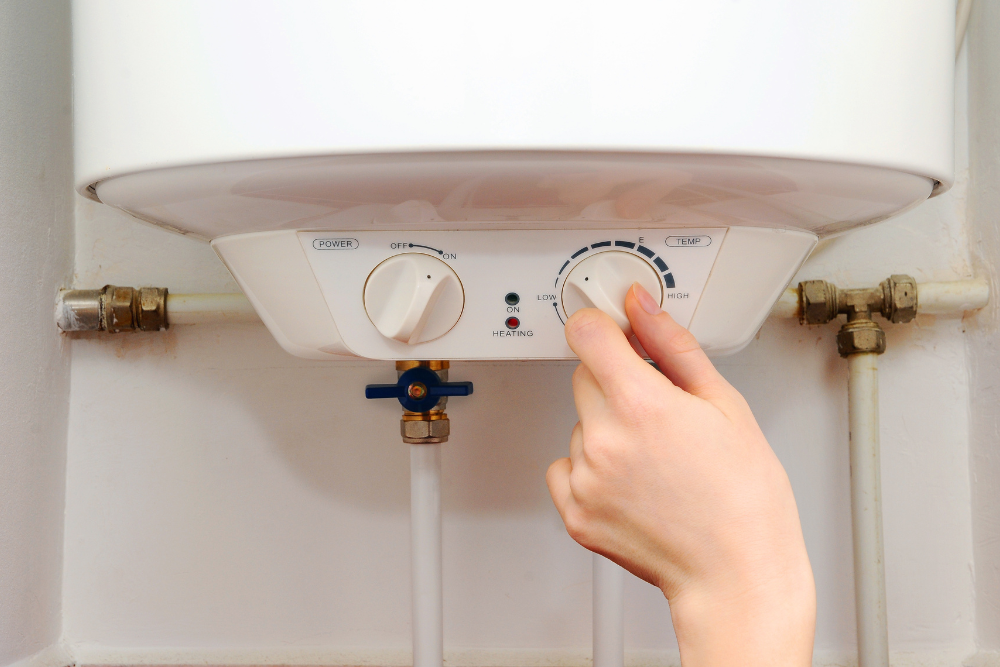
Understanding what is a water heater starts with a simple idea: it’s the appliance that heats the cold water entering your home so you can use it for showers, cooking, cleaning, and laundry. It takes water from your main supply line, warms it with either a gas burner or electric heating elements, and then sends it through your plumbing system whenever you turn on a hot-water tap. That’s the basic definition.
To understand how it works, picture a cycle happening all day long. Cold water enters the heater, the thermostat measures its temperature, and the heating source turns on if the water isn’t warm enough. As the water heats, it rises to the top of the tank (or moves through a heat exchanger in a tankless system). When you open a faucet, the heated water travels through your pipes while new cold water flows in to replace it. The heater repeats this process automatically, keeping a steady supply of warm water ready for your home.
Most people use hot water without thinking about this system behind it. At Over Under Plumbing, we meet homeowners who only ask about what is a water heater after they discover ice-cold water in the shower or hear unusual noises from the tank. But knowing what is a water heater and how it works makes a big difference. It helps you recognize when the heater is struggling, understand why maintenance matters, and decide quickly when something needs professional attention.
Why Understanding Your Water Heater Matters
Once you learn what is a water heater, it becomes easier to see why this system is such an important part of your home. Every sink, shower, dishwasher, and washing machine depends on heated water coming from this single appliance. Without it, your home would only have cold water from the main supply line, which makes everyday tasks uncomfortable and inconvenient.
A water heater acts as the central source that creates and delivers hot water throughout your plumbing system. To understand how does a water heater work, imagine a process that repeats itself constantly: cold water enters the system, the heater warms it to a set temperature, and then that heated water travels through your pipes when you turn on a hot-water tap. This cycle happens quietly in the background, but it powers many of the routines your home relies on.
Traditional tanks keep a supply of warm water ready inside the insulated tank, while tankless units heat water instantly as it moves through their internal water heater components, such as the heat exchanger and sensors. Both systems operate differently, but they share the same purpose: providing steady hot water whenever you need it.
When you understand how does a hot water heater work and why the system runs the way it does, you can more easily recognize early signs of trouble. That awareness helps you address issues faster, avoid unexpected breakdowns, and keep your home running smoothly.
Key Water Heater Components Inside a Tank
If you want to understand how does a hot water heater work in a traditional tank system, it helps to picture the parts inside the metal shell. Several water heater components work together at all times:
- A dip tube that sends cold water to the bottom of the tank
- A thermostat that senses water temperature
- A gas burner under the tank or electric elements inside the tank
- Insulation around the tank that helps hold heat
- A pressure relief valve that keeps pressure at a safe level
- An anode rod that slows rust on the inside of the tank
Cold water enters through the dip tube and settles near the bottom. As the thermostat senses a drop in temperature, it signals the burner or elements to turn on. Heat moves through the water, and warm water naturally rises to the top of the tank. When you open a hot tap, pressure pushes this heated water into your plumbing system while new cold water enters the tank to replace it.
How Does a Water Heater Work in Tankless Models?
Another way to understand what is a water heater is to look at tankless models. Instead of storing thirty, forty, or fifty gallons of hot water, a tankless heater warms water only when you need it. When you open a hot-water tap, cold water flows through a heat exchanger inside the unit. Sensors trigger gas burners or electric coils, which heat the water as it passes through to your faucet.
Because tankless systems do not store hot water, they can supply a steady stream for longer periods, as long as the system is sized correctly for the home. The idea is simple: no tank, no standby heat loss, and no waiting for a large tank to recover after heavy use. Understanding how does a water heater work in both tank and tankless styles helps you choose the system that matches your household.no,
Why Knowing This Matters for Homeowners
Once you understand what is a water heater doing every day, you start to notice small changes that signal a problem. Heaters rarely fail without any clues. Most of the time, they send out early warnings such as:
- Hot water that runs out faster than it used to
- Showers that feel cooler even though the dial has not changed
- Rumbling or popping sounds coming from the tank
- Water that looks cloudy or rusty when you turn on the hot tap
- Higher energy bills with no change in daily habits
Each of these signs suggests that the heater is working harder than it should. Sediment may be building up at the bottom of the tank. Heating elements may be wearing out. The thermostat might not be reading temperature correctly. When you know how does a water heater work, these clues make more sense, and you are more likely to call a professional before a full breakdown.
Gas vs. Electric Water Heaters
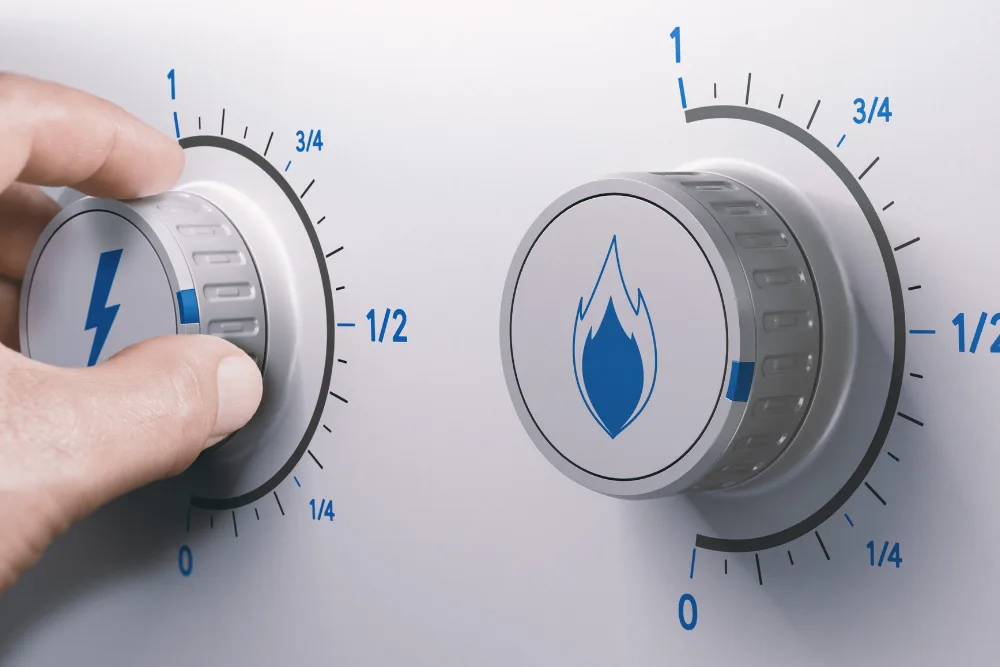
Another part of understanding what is a water heater is knowing the difference between gas and electric models. Gas heaters use a burner flame under the tank. Electric heaters warm water with metal elements located inside the tank. Both aim to keep a steady supply of hot water, but they do it in different ways.
Gas heaters usually recover faster after heavy use because the burner can produce strong heat quickly. Electric heaters often have a slower recovery time but avoid the need for venting combustion gases. In both cases, the basic idea behind how does a hot water heater work stays the same: cold water comes in, the system adds heat, and hot water flows out when you open a tap.
Repair or Replace: What Homeowners Should Consider
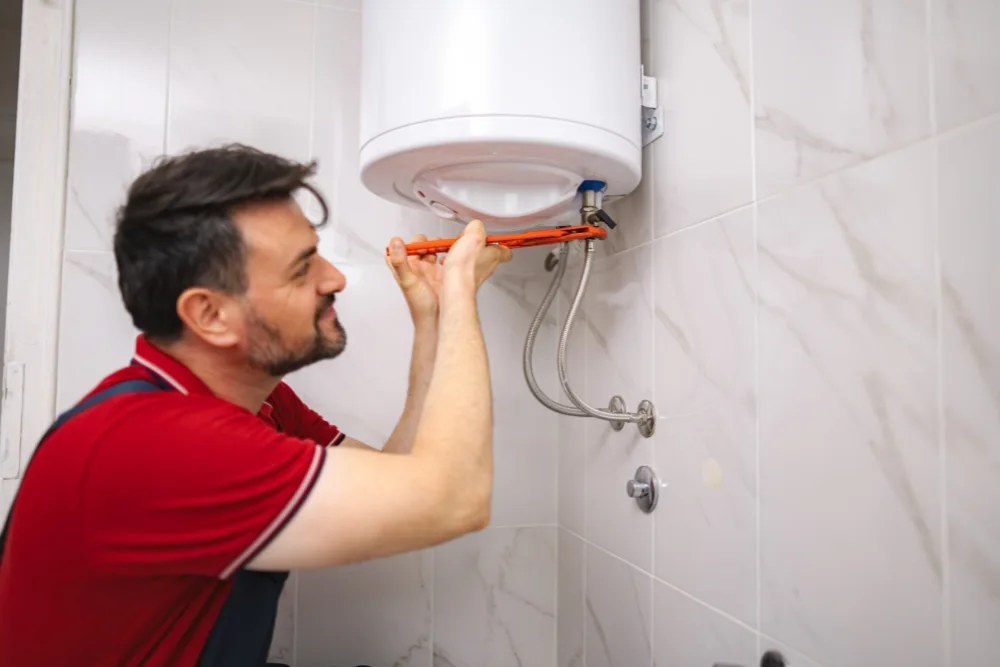
At some point, every homeowner faces more than just the question of what is a water heater. The bigger question becomes: should it be repaired or replaced? Many issues, such as a bad thermostat, a worn heating element, or a loose valve, can be repaired. These fixes can extend the life of the heater and restore normal performance.
Replacement makes more sense when the tank is leaking, the unit is ten years or older, or there have been several repairs in a short time. Most standard tanks last between eight and twelve years. Tankless systems can last longer with proper care. Once you know what is a water heater expected to handle over its lifetime, deciding between repair and replacement becomes less stressful.
How Understanding Your Water Heater Helps You Protect Your Home
Knowing in detail what is a water heater and how it operates gives you a real advantage in protecting your home. Simple steps such as flushing the tank once a year, checking the pressure relief valve, and listening for new sounds from the unit become more meaningful when you know why they matter.
For many families, the answer to what is a water heater is simply “that big tank in the corner,” but it quietly does a huge amount of work. It responds every time someone washes hands, starts a load of laundry, or rinses dishes after dinner. Because it runs in the background, it is easy to forget that this equipment needs attention just like a car or air conditioner. A little care each year can add several seasons of steady performance.
When something changes in the way your hot water feels, looks, or sounds, you have context. You are not just guessing. You understand how does a water heater work inside the tank or tankless unit, and you know that early action can prevent damage, reduce costs, and keep your home running smoothly. Over Under Plumbing is always ready to inspect, maintain, repair, or replace your system, but your understanding is the first line of defense.
Now that you have a clear picture of what is a water heater, you can pay closer attention to how it behaves in your home and make better choices for your comfort and safety. And if you ever notice changes in temperature, strange noises, or signs of wear, the licensed team at Over Under Plumbing is here to help. Reach out anytime for expert troubleshooting, repairs, or guidance on the next steps for your water heater.
Frequently Asked Questions About Water Heaters
How long does it take a water heater to reheat after use?
Most traditional tanks need about 40–60 minutes to fully reheat after heavy use, depending on size and energy source. Gas heaters usually recover faster than electric models. If reheating suddenly takes much longer than before, it may be time for a service visit to check for sediment buildup or failing parts.
How often should I schedule maintenance for my water heater?
Once a year is a good rule for most homes. Annual maintenance usually includes flushing the tank, checking the thermostat settings, testing the pressure relief valve, and looking for early signs of leaks or corrosion. Homes with hard water may benefit from more frequent service to control mineral buildup.
What size water heater does my family need?
The right size depends on how many people live in the home and how you use hot water. A couple may be comfortable with a 40-gallon tank, while a larger family or a home with multiple bathrooms might need a 50-gallon tank or a properly sized tankless unit. A plumber can review your usage and recommend the best fit.
Why does my hot water look cloudy or milky?
Cloudy or milky hot water often comes from air bubbles or mineral content. If the cloudiness clears quickly when the water sits in a glass, it is usually just air. If it stays cloudy or shows flakes, sediment in the tank may be the cause. Flushing the heater often improves clarity.
Can my water heater affect my energy bill?
Yes. As heaters age, sediment buildup, worn elements, or a struggling thermostat can cause longer heating cycles. That extra run time uses more gas or electricity. If your bill climbs without other changes in the home, the water heater may be part of the reason and worth having checked.