Understanding water heater energy efficiency helps homeowners pick the right system, control energy costs, and improve day-to-day comfort. Most people shop for a water heater by looking at the price or the size of the tank, but the real performance of any system depends on how it uses fuel, how much water it handles at once, and how quickly it can recover after use. These details matter more than many realize, especially when choosing a system that can support your home’s daily routine.
BTUs, gallons, and efficiency ratings are the three main numbers that reveal how a heater performs. Once you understand them, choosing between different models becomes far less confusing. At Over Under Plumbing, we guide homeowners through these choices every day, and the biggest challenge is usually understanding what the numbers on the label actually mean.
This guide breaks everything down in simple, homeowner-friendly language so you can make smart decisions when repairing or replacing your system.
Why These Numbers Matter for Your Home
Every water heater uses fuel or electricity to warm water, and every system has limits. The way manufacturers measure heat output, storage, and performance affects what you experience at home: how long your showers stay warm, how fast the water heats again, and how much you pay on energy bills. That’s why water heater energy efficiency is so important. It influences:
- How quickly the heater can warm incoming water
- How long it can keep up during back-to-back showers
- How much fuel or electricity it uses
- How long the system lasts
Understanding BTUs, gallons, and efficiency ratings lets you choose a heater that matches your home’s daily habits instead of guessing or relying on basic size alone.
What BTUs Mean in Water Heaters
One of the most important measurements in water heater energy efficiency is BTUs. BTU stands for British Thermal Unit, and it measures the amount of heat a heater can produce. In simple terms:
More BTUs = Faster heating.
Fewer BTUs = Slower heating.
When deciding between models, the BTU rating tells you how quickly the unit raises water temperature. If your home uses a lot of hot water in a short period (multiple showers, dishwasher cycles, or laundry loads), a higher BTU rating can make a big difference.
For example:
- A tank heater with lower BTUs may take longer to recover after a long shower.
- A tankless heater with high BTUs can supply continuous hot water because it heats instantly.
Understanding water heater BTUs helps you choose a system that keeps up with your home instead of constantly running behind.
Gallons and Why They Matter
The second major detail in water heater energy efficiency is how much water the system can hold or supply. For traditional tank heaters, this number is shown as the tank size in gallons. When you see a system labeled as 40 or 50 gallons, it refers to how much hot water the tank stores at once.
Understanding water heater gallons helps you make sure your home has enough supply for daily routines. A small tank used by a large family will run out quickly. A large tank in a small household wastes energy because it heats more water than needed.
Tankless systems don’t store water, but they still relate to water heater capacity through flow rate: the number of gallons they can heat per minute. The higher the flow rate, the more fixtures you can run at once without losing temperature.
Choosing the right capacity prevents situations where:
- The shower turns cold halfway
- The dishwasher steals heat from another fixture
- The tank reheats too slowly
- Energy bills rise because the system struggles to recover
Getting the correct water heater capacity ensures reliable performance.
How Efficiency Ratings Affect Your Bills
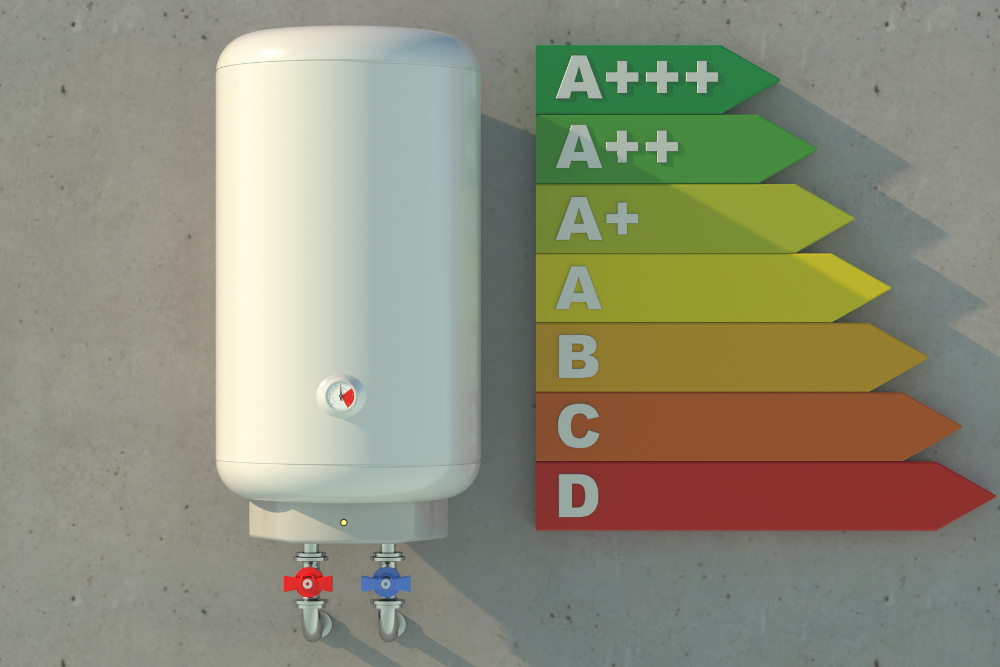
Even if two systems have the same BTUs and gallons, their efficiency rating can be totally different. Efficiency ratings measure how much of the fuel or power the heater turns into usable heat. A system with higher efficiency wastes less energy, which reduces monthly costs.
Efficiency matters for both tank and tankless units:
Tank Water Heaters
Tank models lose heat through the tank walls, a factor known as standby loss. Better insulation improves water heater energy efficiency by keeping stored water hot longer without running the burner or heating elements constantly.
Tankless Water Heaters
Tankless systems avoid standby loss but rely heavily on BTU output. Higher efficiency means they heat water faster while using less energy. This is one reason tankless systems are often rated better in long-term energy performance.
Efficiency ratings impact:
- Operating cost
- Heating speed
- Lifespan
- Fuel usage
A highly efficient unit may cost more upfront but save money every month.

How These Measurements Work Together
To understand water heater energy efficiency, it’s important to see how BTUs, gallons, and efficiency ratings combine to determine performance. A high-capacity tank with low BTUs will heat slowly. A tankless unit with high BTUs but low efficiency will use more fuel. A highly efficient unit with low BTUs may struggle with multiple fixtures running at the same time.
These three measurements influence:
- Recovery Time
How fast a tank reheats after use. - Continuous Flow Ability
How many gallons per minute a tankless unit can support. - Daily Comfort
How steady the temperature stays when multiple fixtures are used. - Monthly Energy Costs
How much fuel or electricity the system needs.
By looking at all these numbers, you can choose a system that provides strong, consistent performance.
Choosing the Right Heater for Your Home
Selecting the right heater begins with understanding your home’s usage pattern. A large household may need a tank with more gallons and higher BTUs. A smaller home may want the long-term savings of a tankless model. The key is finding a balance between water heater btus, water heater gallons, and overall water heater capacity so the system matches your lifestyle.
Think about:
- Number of bathrooms
- Simultaneous usage (showers + laundry + kitchen)
- Hot water habits
- Space for installation
- Fuel availability
When comparing systems, look beyond price. A heater with better water heater energy efficiency often saves more money over the long run.
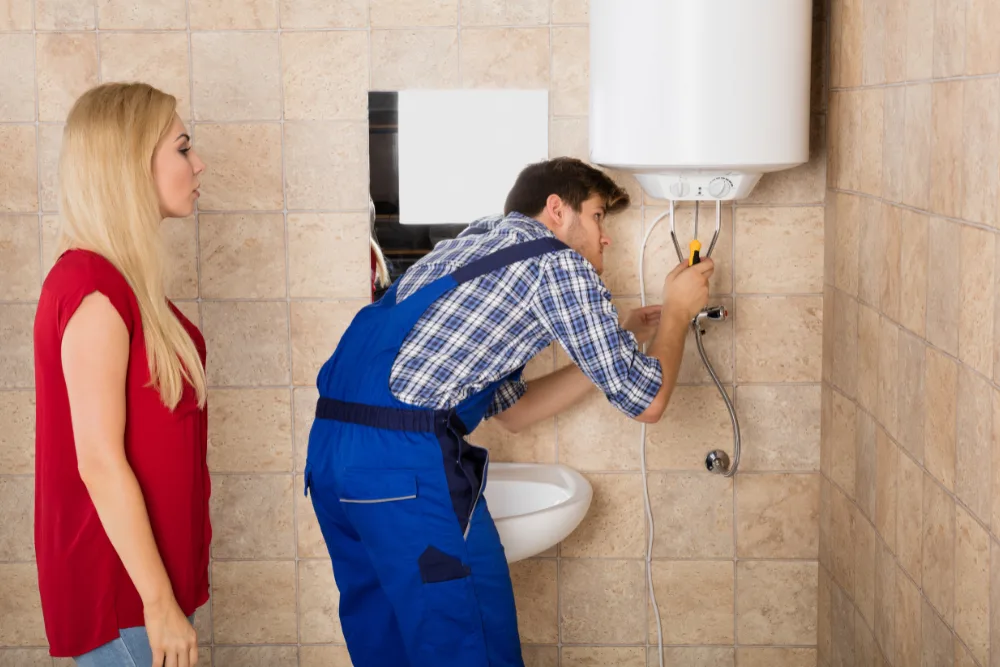
Why Understanding Efficiency Protects Your Home
By learning how BTUs, gallons, and efficiency ratings work, you can prevent common water heater issues. Undersized units struggle, wear down faster, and cost more to operate. Oversized systems waste energy. Poor efficiency contributes to higher bills. When homeowners understand these factors, they make choices that support comfort, performance, and equipment longevity.
If you’re unsure which system fits your home best, Over Under Plumbing can help with professional guidance, honest advice, and skilled installation.
And now you have a clear understanding of water heater energy efficiency and how BTUs, gallons, and capacity shape performance.
Contact Over Under Plumbing for Expert Water Heater Help
If you’re comparing systems or replacing an old heater, our team can help you choose the right size, BTU rating, and efficiency level. Contact Over Under Plumbing for expert installation, repair, or maintenance.
Frequently Asked Questions
How do BTUs affect water heater performance?
BTUs measure heat output. A heater with more BTUs can raise water temperature faster and recover more quickly after use. When looking at water heater BTUs, higher numbers generally mean stronger performance, especially in busy households. Tankless models depend heavily on BTUs because they heat water instantly rather than storing it.
How do I know what gallon size I need?
Tank size depends on the number of people in your home and your daily habits. A couple may be fine with 40 gallons, while a larger family may need 50 or 80. Understanding water heater gallons prevents situations where the tank runs out too quickly or wastes energy by storing more hot water than needed. A professional can review your usage and recommend the right size.
What affects tankless water heater capacity?
Tankless units use flow rate rather than storage. Their water heater capacity is measured in gallons per minute. Higher flow rates allow multiple fixtures to run at once without losing heat. Homes with high simultaneous use often need a more powerful tankless model.
Can efficiency ratings lower my monthly bills?
Yes. Higher efficiency means the heater uses energy more effectively. Improved water heater energy efficiency leads to shorter heating cycles, better recovery, and lower fuel or electricity use. Over time, these savings add up significantly.
How do I improve my water heater’s efficiency?
You can improve water heater energy efficiency by flushing the tank yearly, checking the thermostat, fixing leaks early, and replacing worn parts like anode rods. A professional tune-up also helps maintain performance and extend lifespan.